

Cleveland provides access to professional sports, major healthcare systems, higher education, and employment opportunities across multiple industries.
Urban growth and redevelopment continue across many districts, though public safety challenges remain visible in certain areas.
Visitors and new residents face a 1 in 17 chance of experiencing violent or property crime during their time in the city.
Municipal programs target crime reduction, housing enforcement, and neighborhood investment, yet personal decision-making still plays a major role in safety outcomes.
Information below addresses neighborhood awareness, daily personal safety habits, transportation planning, renter protections, and family-oriented activities designed to lower risk while maintaining an active lifestyle.
Neighborhood Safety: Where to Go and Where to Be Cautious
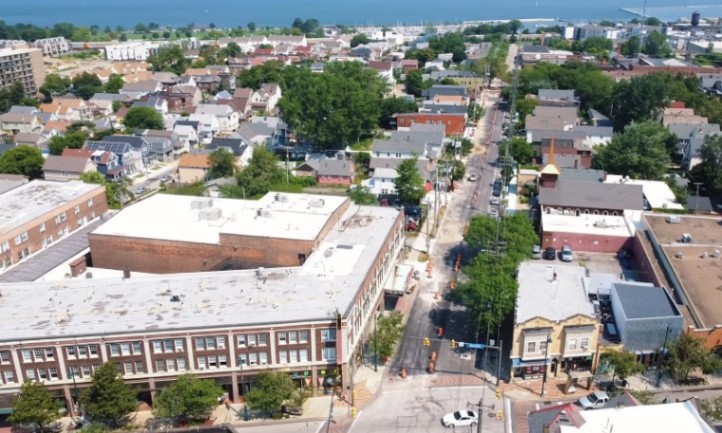
Neighborhood selection plays a major role in daily safety, housing satisfaction, and overall comfort.
Cleveland includes areas supported by strong community presence alongside districts facing long-term structural challenges.
Awareness of these differences helps visitors and residents plan movement, housing, and routines more effectively.
Safer Areas for Residents and Tourists
Ohio City maintains consistent pedestrian activity driven by dining destinations, markets, and neighborhood events.
Street visibility, business density, and routine foot traffic support safer conditions during most daylight hours and early evenings.
Positive experiences remain common when visitors follow standard urban safety habits, including awareness of surroundings and controlled use of valuables.
Key characteristics contributing to improved safety include:
- Active storefronts and restaurants generating constant movement
- Street lighting concentrated along primary corridors
- Community events increasing visibility and informal oversight
Shaker Heights functions as a residential-focused area supported by schools, local governance, and organized neighborhood groups.
Property upkeep and resident involvement contribute to lower crime levels compared to many inner-city districts.
Traffic patterns remain calmer, creating a less chaotic environment for pedestrians, cyclists, and drivers.
Factors supporting safety and stability include:
- High owner-occupancy rates
- Active neighborhood associations
- Consistent maintenance of public spaces
University Circle serves as a major institutional center anchored by museums, hospitals, and Case Western Reserve University.
Security patrols operate throughout the district, supported by campus police and private security teams.
Students, professionals, and visitors benefit from structured public spaces and predictable activity patterns.
Safety advantages commonly observed include:
- Regular patrol schedules
- High daytime and evening foot traffic
- Emergency call systems near institutional buildings
Areas to Exercise Caution
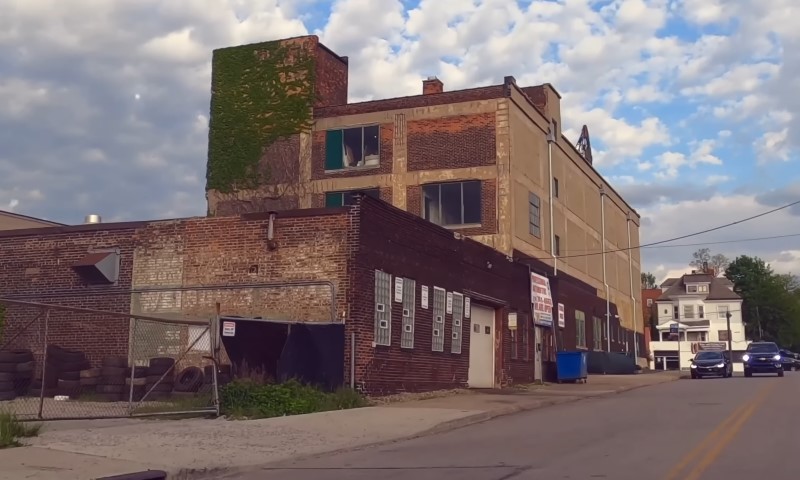
Certain neighborhoods face ongoing challenges tied to economic hardship, reduced investment, and limited access to services.
Heightened awareness becomes essential in these areas, regardless of time of day.
Kinsman continues addressing issues connected to unemployment and long-term disinvestment.
Property crime and violent incidents occur at higher rates than city averages, but, still far from Detroit’s crime volume.
Improvement efforts remain active, yet personal caution remains necessary during all hours.
Common risk indicators include:
- Limited commercial activity after business hours
- Vacant or poorly maintained properties
- Reduced pedestrian presence at night
Central occupies a location close to downtown while experiencing persistent gang activity, drug-related incidents, and firearm violence.
Foot traffic declines sharply after dark, increasing vulnerability for individuals traveling alone.
Transportation planning significantly reduces exposure during evening hours.
Risk patterns often involve:
- Increased nighttime incidents
- Limited lighting on residential side streets
- Higher emergency response activity
Union Miles Park frequently reports elevated assault and homicide rates.
Environmental conditions such as abandoned structures and neglected properties contribute to safety concerns.
Non-essential travel benefits from careful planning and alternative routing.
Personal Safety Tips for Day-to-Day Life
Daily habits strongly influence personal safety outcomes.
Simple behavioral choices often reduce risk without disrupting routines or independence.
General Personal Safety
Group movement offers protection during nighttime outings and unfamiliar trips.
Solo pedestrians benefit from projecting awareness and confidence through posture and purposeful movement.
Location sharing tools allow trusted contacts to monitor movement in real time using standard smartphone features.
Practical options that improve reassurance include:
- Live location sharing during commutes
- Scheduled check-in times
- Consent-based monitoring tools for teens or older adults
Street Smarts and Situational Awareness
Environmental awareness reduces exposure to opportunistic crime.
Street conditions, lighting, and activity levels should guide route selection and timing.
Situations requiring added caution often involve:
- Poorly lit streets
- Unfamiliar blocks
- Low pedestrian presence
Valuables should remain concealed to avoid drawing attention.
Lower headphone volume or single-ear listening improves awareness of approaching vehicles and pedestrians.
Shared plans and estimated return times provide added accountability during solo outings.
Transportation and Travel Safety
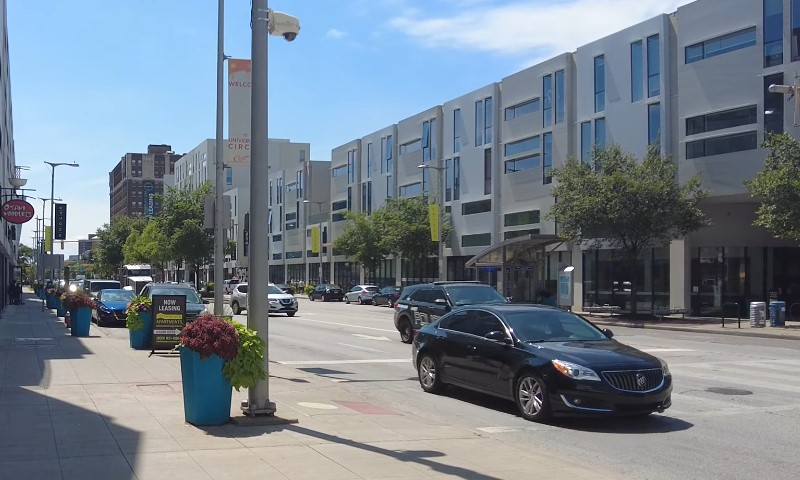
Transportation choices influence safety across daily commutes, social outings, and travel days.
Timing, route selection, and mode of transport all play a role.
Public Transportation
Greater Cleveland RTA connects employment centers, residential areas, and visitor destinations across the city.
Daytime and early evening service generally operates without major safety concerns.
Late-night travel through higher-crime neighborhoods benefits from advance planning.
Helpful habits for transit users include:
- Sitting near other riders
- Staying alert during stops
- Avoiding empty platforms late at night
Rideshare and Private Transfers
Rideshare services support reliable transportation during evenings and special events.
Pre-scheduled transfers such as GetTransfer provide predictability for airport travel or large gatherings.
Security practices that add protection include:
- Confirming vehicle and driver details
- Sharing ride status with a trusted contact
- Exiting rides only in well-lit areas
Driving Tips
Personal vehicles offer flexibility while requiring awareness of parking and visibility risks.
Parking choices significantly affect vehicle safety.
Preventive measures include:
- Selecting well-lit areas with visible activity
- Locking doors and closing windows
- Keeping items out of sight
Home and Property Safety for New Residents
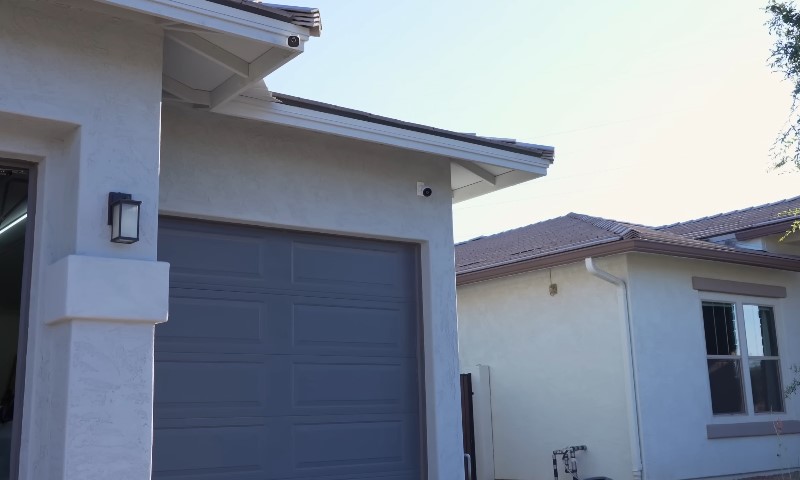
Housing security affects personal safety, financial stability, and peace of mind.
Simple upgrades and awareness of legal protections support safer living conditions.
Protecting Your Home
Homes displaying security cameras experience significantly lower burglary rates.
Smart locks provide controlled access and remote management during travel.
Motion-activated lighting discourages unwanted nighttime activity near entry points.
Valuables placed away from windows reduce visibility and temptation.
Legal Rights for Renters
The Residents First legislation, enacted on February 6, 2024, strengthens renter protections across Cleveland.
Out-of-town landlords must appoint a Local Agent in Charge residing in Cuyahoga County who shares legal responsibility for property conditions.
Do you need to verify if a text was AI-generated? Tools like ChatGPT Zero help residents, students, and professionals validate digital content authenticity, useful when reviewing online rental listings, job offers, or other AI-assisted communications.
Key landlord obligations now include things like:
- Unit registration
- Lead inspection and remediation for buildings constructed before 1978
- Current property tax compliance
- Resolution of housing code violations
- HVAC inspections for owners with four or more units
- Financial penalties for unresolved safety issues
Vacant property owners must register with city authorities and post a bond.
Family-Friendly and Safe Attractions
View this post on Instagram
Family-oriented destinations benefit parents and caregivers by offering supervision, predictable layouts, and visible staff presence.
Cleveland provides several attractions designed to support safety while allowing children and adults to enjoy educational and recreational activities together.
Rock and Roll Hall of Fame
Location along Lake Erie places this attraction within a busy waterfront zone supported by tourism, event traffic, and public monitoring.
High visitor volume contributes to natural oversight throughout operating hours.
Indoor design allows families to move through exhibits without exposure to street traffic or weather-related risks.
Safety-supporting features commonly experienced include:
- Staff stationed throughout exhibit floors
- Clearly marked entrances and exits
- Controlled access points and bag policies
Interactive exhibits encourage hands-on learning while remaining contained within supervised environments.
Families with school-age children often find pacing manageable due to seating areas and clear signage.
Cleveland Museum of Art
Free admission allows families to visit without financial pressure, encouraging shorter and more frequent outings.
Museum spaces promote calm movement, clear visibility, and controlled behavior.
University Circle placement adds institutional oversight through nearby hospitals, academic buildings, and security teams.
Conditions contributing to a safer visit include:
- On-site security personnel
- Monitored galleries and common areas
- Structured layouts with clear sightlines
Educational programming and family-focused events further support a welcoming atmosphere for visitors of all ages.
Cleveland Metroparks Zoo
Zoo grounds combine outdoor exploration with structured pathways and designated viewing areas.
Educational exhibits focus on conservation and wildlife awareness while maintaining physical barriers and safety protocols.
Staff presence remains visible across high-traffic zones, rest areas, and exhibit entrances.
Elements supporting family safety include:
- Clearly marked walking routes
- Frequent staff checkpoints
- Clean and well-maintained facilities
Families with young children benefit from stroller-friendly paths and shaded rest zones.
Outdoor Safety in Parks and Nature Areas
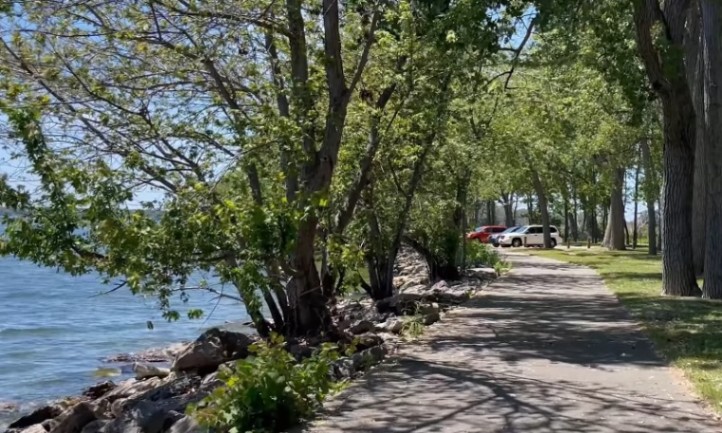
Outdoor activities support physical health and stress reduction while introducing environmental variables that require preparation.
Cleveland-area parks offer diverse options suited to families, casual walkers, and experienced outdoor enthusiasts.
Edgewater Park
Lakefront access includes beaches, picnic areas, and walking paths used heavily during warmer months.
Open sightlines and recreational traffic increase daytime safety.
Seasonal supervision improves oversight during peak hours, especially near swimming areas.
Situations requiring added awareness include:
- Changing water conditions
- Wind and wave activity
- Reduced supervision outside peak seasons
Families benefit from remaining near designated swimming zones and posted safety signage.
Cuyahoga Valley National Park
Trail systems support walking, cycling, and hiking across varied terrain.
Paths range from beginner-friendly routes to moderate challenges suitable for more active visitors.
Brandywine Falls accommodates easier walks, while Boston Run supports longer and moderately demanding outings.
Preparation habits that lower risk should be considered before entering trail areas, including:
- Carrying adequate water
- Wearing appropriate footwear
- Sharing routes and estimated return times with a trusted contact
Planning ahead allows families and individuals to enjoy natural areas while maintaining safety and confidence.
Summary
Cleveland offers opportunity, recreation, and community alongside measurable safety concerns.
Informed residents and visitors lower risk through neighborhood awareness, consistent daily habits, legal knowledge, and thoughtful transportation planning.
Confidence develops through preparation, alertness, and steady caution while enjoying all that Cleveland provides.