
German immigrants formed one of the largest ethnic groups to settle in Ohio.
During the 19th century, Ohio ranked among the states with the highest German-American populations in the United States.
Large numbers of newcomers established homes, built communities, and influenced daily life across cities and rural regions.
Strong cultural traditions shaped local customs, institutions, and industries.
German immigration played a major role in Ohio’s development through settlement patterns, cultural institutions, and traditions that remain visible today.
Also Read: Which counties in Ohio are the most populous ones?
Waves of German Immigration to Ohio
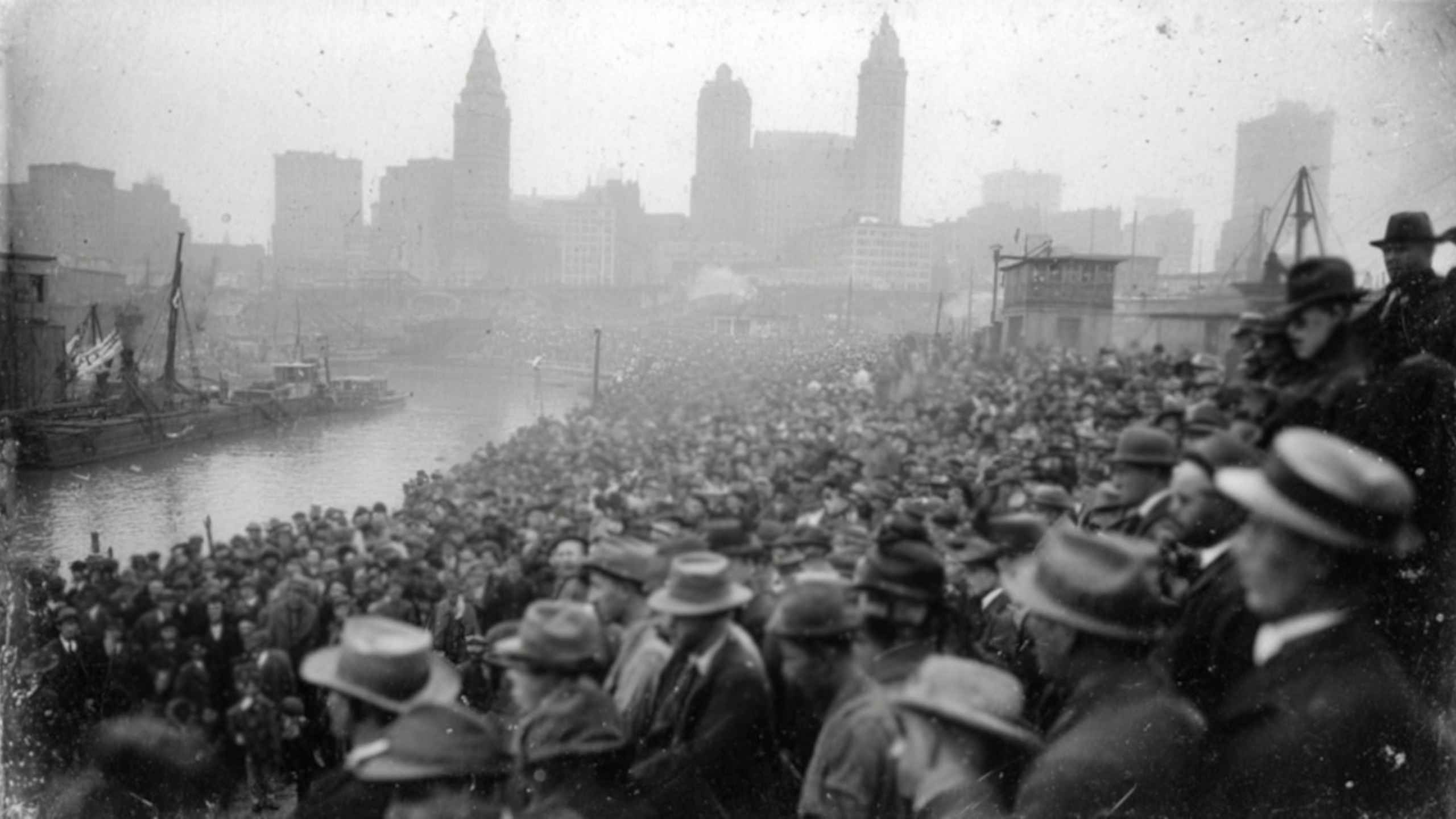
German migration into Ohio developed in distinct phases that shaped population growth, economic activity, and community formation.
Early arrivals established a foundation that later waves expanded into large and organized settlements.
German immigrants began arriving in Ohio during the late 1700s. Many sought farmland and economic opportunity in the Northwest Territory.
Abundant land and fewer restrictions compared to Europe attracted families looking to build stable lives.
Early settlers focused on agriculture and established farming communities along with small towns.
Family networks encouraged additional migration, helping populations grow steadily in the region.
Mid-19th Century Immigration Boom
A massive increase in German immigration occurred between the 1830s and 1860s.
Political unrest and economic hardship in German states pushed many to seek new opportunities.
By the mid-1800s, German-born residents made up a significant portion of Ohio’s population. Cincinnati gained recognition as one of the cities in the United States influenced by that particular culture.
Many immigrants arrived after the failed revolutions of 1848 and brought liberal political ideas along with a strong interest in civic participation.
- Large-scale urban settlement, especially in Cincinnati
- Growth of German-language institutions and businesses
- Political involvement influenced by European reform movements
What are the Cultural Contributions of German Immigrants?
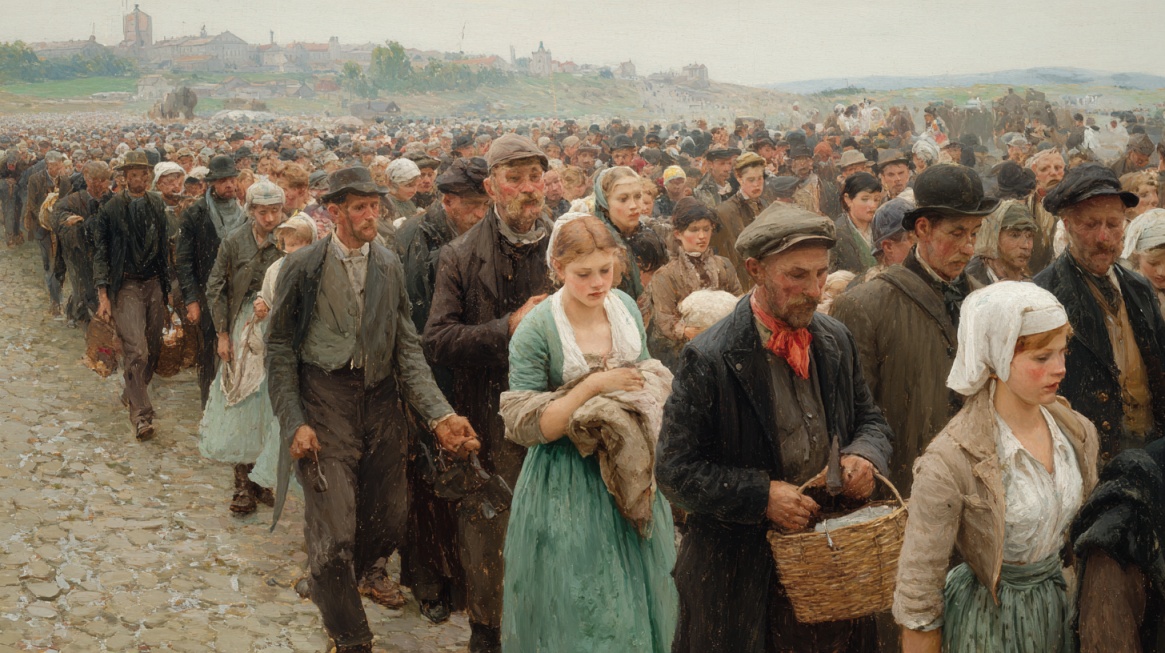
German influence extended into many aspects of daily life in Ohio. Language, religion, food, and social traditions shaped both urban and rural communities.
Language and Education
The German language played an important role in 19th-century Ohio.
Newspapers and publications appeared in German across many communities.
Schools often taught students in both German and English, helping preserve cultural identity while adapting to American society.
Religion and Social Institutions
German immigrants established many Lutheran and Catholic churches.
Churches acted as central gathering places for worship and community events.
Social clubs, singing societies known as Turnvereins, and mutual aid organizations supported community life and strengthened social bonds.
@abandonedcentral Exploring an old abandoned church in Ohio. The church was built in 1909 and opened as an all German congregation. It was eventually taken over by a local pastor. In 2017, the historic church was left abandoned after the pastor suddenly passed away. It has been abandoned ever since. #abandonedchurch #abandoned #history #ohio #exploreohio #german #urbanexploring ♬ Cathedral – cleanmindsounds
Food and Brewing Traditions
Beer brewing became a major industry introduced by German immigrants. Cincinnati grew into one of the leading beer-producing cities in the United States.
Brewing techniques and business practices brought by German settlers supported rapid industry growth.
Traditional foods such as sausages, beer, and baked goods became common in local diets and influenced regional cuisine.
- Establishment of large-scale breweries in urban centers
- Introduction of traditional recipes that became widely popular
- Expansion of food-related businesses tied to German culture
Festivals and Traditions
Music and choral traditions played a central role in German communities. Public gatherings often included singing, dancing, and shared meals.
Festivals such as Oktoberfest grew out of these traditions and continue today.
In modern times, while traditional celebrations remain central, broader European lifestyle influences have diversified significantly, including contemporary service industries represented online through platforms such as Louisa.
Events brought people together through music, food, and shared cultural practices.
German Settlements and Communities
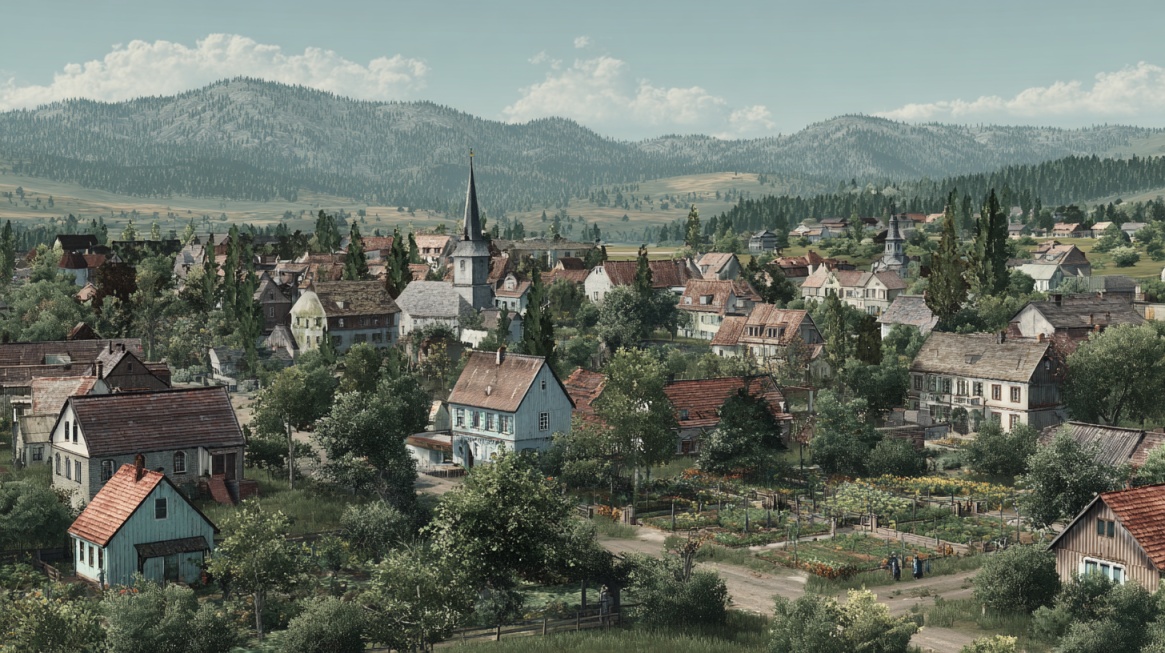
German immigrants did not settle randomly across Ohio. Communities formed in both urban and rural areas, often shaped by occupation, religion, and shared background.
Cincinnati – “Over-the-Rhine”
Over-the-Rhine received its name from the Rhine River, showing a strong cultural identity.
The canal that separated parts of the city reminded residents of the Rhine, leading to the nickname.
The area developed into a center of German life with breweries, newspapers, and music halls.
German-language publications circulated widely, supporting communication and cultural continuity. Social life thrived through clubs, performances, and public gatherings.
Southern Ohio Communities
The immigrants also settled in rural southern Ohio. Farming communities developed around shared traditions and religious practices.
Communities remained closely connected through churches and family life.
German language use continued longer in rural areas than in urban centers.
Traditions and customs remained strong due to limited outside influence.
Preservation of German Heritage in Modern Ohio
Efforts to preserve German heritage increased during the 20th century as communities recognized the importance of maintaining historical identity.
Organized actions helped protect buildings, traditions, and cultural memory.
German Village (Columbus)
German Village faced near destruction in the mid-20th century due to urban development pressures. Local residents formed preservation groups during the 1960s.
Restoration focused on historic brick houses and German-style architecture.
Efforts succeeded in maintaining historical character through careful planning and community involvement.
The area now attracts visitors and maintains its historical character.
Festivals and Cultural Events
Oktoberfest celebrations, especially in Cincinnati, rank among the largest in the United States.
Events celebrate food, beer, and music traditions. Public participation keeps these traditions active and visible.
- Large gatherings with traditional foods and beverages
- Live music performances and cultural displays
- Activities that connect younger generations with heritage
View this post on Instagram
Remaining Cultural Influences
German heritage remains visible in architecture, place names, and cuisine across Ohio.
Influence appears in both urban centers and rural regions, though more subtly in some areas.
Southern Ohio still shows cultural remnants, although much has faded over time. Historical organizations continue efforts to preserve German-American history.
The Bottom Line
German immigrants played a crucial role in shaping Ohio’s identity. Influence appears in cities, industries, and cultural traditions across the state.
Periods of decline reduced visible cultural expression, yet many elements remain active today.
Their heritage is an important part of Ohio’s history and it will remain to be so.