
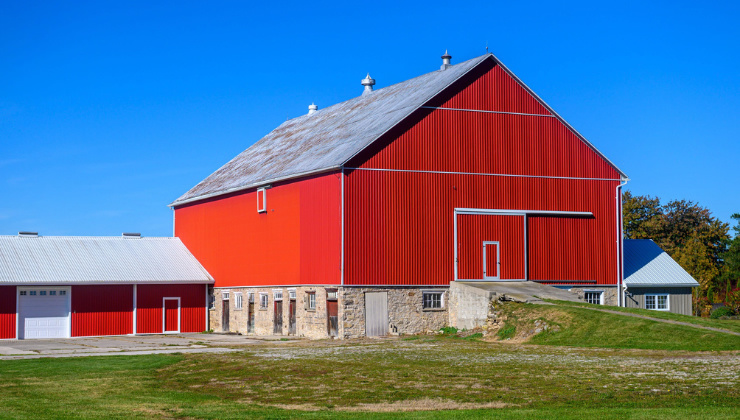
You have the land, a builder’s quote, and a spot staked out behind the house. Then a neighbor mentions permits, and suddenly nobody agrees on what you need. Building a pole barn in Ohio can be simple or messy, and the difference usually comes down to how the barn will be used, how big your lot is, and how your township or county handles zoning.
Key Takeaways
- A detached, one story accessory building of 200 square feet or less usually skips the building permit, but not zoning.
- Most residential pole barns over 200 square feet need zoning approval plus a building permit with plan review.
- A barn used for farming can be exempt from the state building code once zoning certifies its agricultural use.
- On lots of five acres or less in platted subdivisions, townships can still control barn setbacks, height, and size.
- Floodplain, driveway, and stormwater rules still apply to farm buildings that are exempt from the building code.
- Turning a farm barn into a shop, event space, or living area can cancel the exemption and trigger a permit.
What Decides Your Permit Path
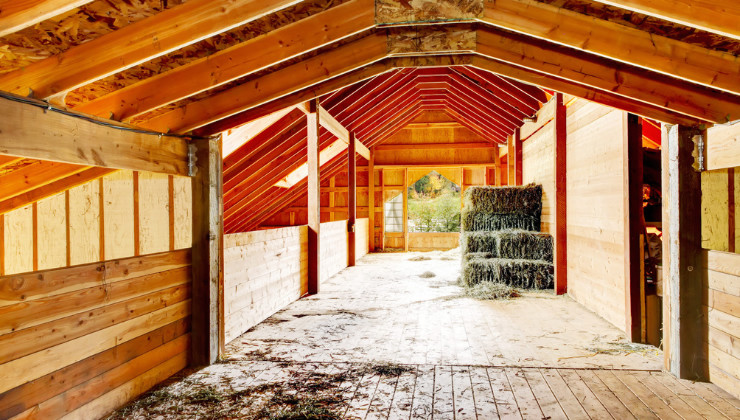
Two questions shape every step of building a pole barn in Ohio: what goes inside, and how big the structure is.
-
The barn’s use
Storage or hobby barn. If it holds your truck, a boat, or a weekend workshop, it falls under the Residential Code of Ohio as an accessory structure, which means zoning review and, above a certain size, a building permit.
Farm barn. A barn for livestock, hay, grain, or farm implements is treated differently, because under Ohio Revised Code 3781.061, once a county or township zoning inspector certifies that a building will be used in agriculture, it is exempt from the state building code sections that would otherwise apply.
-
The barn’s footprint
The state residential code exempts one story detached accessory buildings of 200 square feet or less from a building permit, and practically every pole barn is larger. The City of Toledo spells it out: accessory buildings over 200 square feet need a building permit and plan review. Every accessory building, whatever its size, still needs a certificate of zoning compliance.
How Big Can You Go?
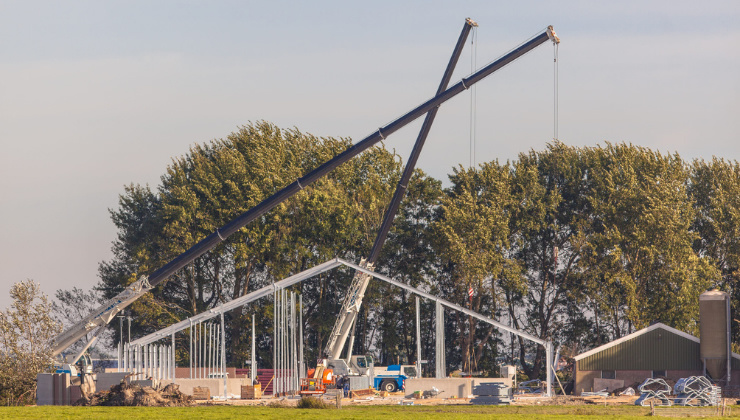
There is no statewide size cap, so the real limits come from local zoning, and they usually loosen as your parcel grows. The Warren County rural zoning code is a clear example of that sliding scale. Use it as a reference point, not a rule for your own parcel.
| Lot size | Accessory buildings over 200 sq ft | Height limit and setback |
|---|---|---|
| 2 acres or less | 1 | 18 feet tall, 10 foot setback |
| Over 2 and under 5 acres | 2 | 25 feet tall, 10 feet plus 2 feet for every foot above 18 |
| Over 5 acres | 3 | Height set by the zoning district |
City lots versus rural parcels
Inside city limits, expect tighter rules. Toledo allows two accessory buildings per lot, caps them at 30% of the rear yard, and keeps them one story and under 20 feet in average height. Rural townships tend to be more generous, but they still write their own numbers.
Setbacks When Building a Pole Barn in Ohio

Setbacks are where most pole barn plans get redrawn. Each county or township writes its own, and the distance often grows with lot size and height. If you are still choosing where to buy land, keep in mind that the counties each handle zoning a little differently.
Distance rules for animal barns
Animals push the barn farther back, and the numbers can surprise people. On smaller agricultural lots in Warren County, structures housing animals must sit at least 50 feet from a non farm property line, and that rises to 85 feet on lots of three to five acres.
Showing setbacks on a site plan
Whatever your local numbers are, you will need a drawing that proves them. Clermont County even asks for a site plan and zoning approval with its agricultural exemption form. Some owners work from an old survey, while others order site plan drawings so the zoning office has clean, measured dimensions to review.
The Farm Exemption: Real Savings, Real Limits
For anyone building a pole barn in Ohio on working farmland, this exemption is the biggest time saver in the whole process. It is also the most misunderstood part, mostly because it works through zoning and the building code at the same time.
When it applies
State law (ORC 519.21 for townships and 303.21 for counties) bars local zoning from prohibiting agricultural buildings on lots over five acres, with no zoning certificate required. Once agricultural use is certified, the building code exemption also removes plan review and inspections. In platted subdivisions, though, townships can still regulate setbacks, height, and size on lots of one to five acres.
When it falls apart
The exemption does not stretch to cover everything, and these situations trip people up most often:
- A house or any living space, even on a working farm
- A barn used mostly to sell products you did not grow, since Clermont County ties this to whether at least half of sales income comes from your own crops
- Event and wedding use, which the OSU Extension Agricultural and Resource Law Program has covered in detail after an Ohio Supreme Court case turned on the word “primarily”
- Flood hazard areas, driveway permits, and stormwater controls, which apply regardless
Your Permit Timeline
Order matters when building a pole barn in Ohio, because zoning approval usually comes before the building department will even look at your plans.
Before you order materials, call your zoning office, confirm which rules apply to your parcel, and prepare a site plan with lot lines, setbacks, and any floodplain. Before construction, apply for the zoning certificate or file the agricultural exemption form, then submit building plans if a permit is required. Before you dig, contact OHIO811 at least 48 hours, but no more than ten working days, ahead of setting posts.
Frequently Asked Questions
Ready to Break Ground?
Building a pole barn in Ohio is very doable once you know which track you are on. Decide how the barn will be used, check the rules for your exact parcel, and get your zoning answer in writing before the first post goes in. A permitted barn is also easier to sell, which matters if you follow the Ohio real estate market predictions and plan to list someday, and it makes building a pole barn in Ohio a decision you will not regret.